

Pay-as-you-go solar bringing energy, learning and livelihoods to Papua New Guinea’s Oro Province
Funding round: Round one
Country: Papua New Guinea
Sector: Community development
Around 55,000 people in remote inland communities of Papua New Guinea’s Oro Province will gain reliable, affordable off-grid renewable energy through this REnew Pacific project. Led by Sola PayGo in partnership with MiBank, it will deploy pay-as-you-go solar home systems, community lighting and complementary solar technologies across at least 20 communities.
The project pairs Sola PayGo’s established pay-as-you-go model with MiBank’s low-barrier financial services and training in technical, financial and digital literacy, with a particular focus on women, people with disabilities and teachers. Solar-powered digital libraries will create new learning opportunities for schools and communities, while replacing unsafe, low-quality energy sources will reduce household costs, extend productive hours and strengthen community safety.
$2,201,757
$2,201,757
DFAT contribution
$2,176,500
$2,176,500
Partner contribution
$4,378,257
$4,378,257
Total funding
Partner
Sola PayGo specialises in providing affordable off-grid energy solutions in the renewable energy sector. The company offers solar home systems and lighting products that enable users to access and pay for energy through micropayments. Sola PayGo primarily serves households and businesses seeking reliable and cost-effective solar power alternatives. It was founded in 2018 and is based in Port Moresby, Papua New Guinea.
MiBank delivers affordable savings, loans and insurance products through a network of agents and branches across Papua New Guinea.
About this project
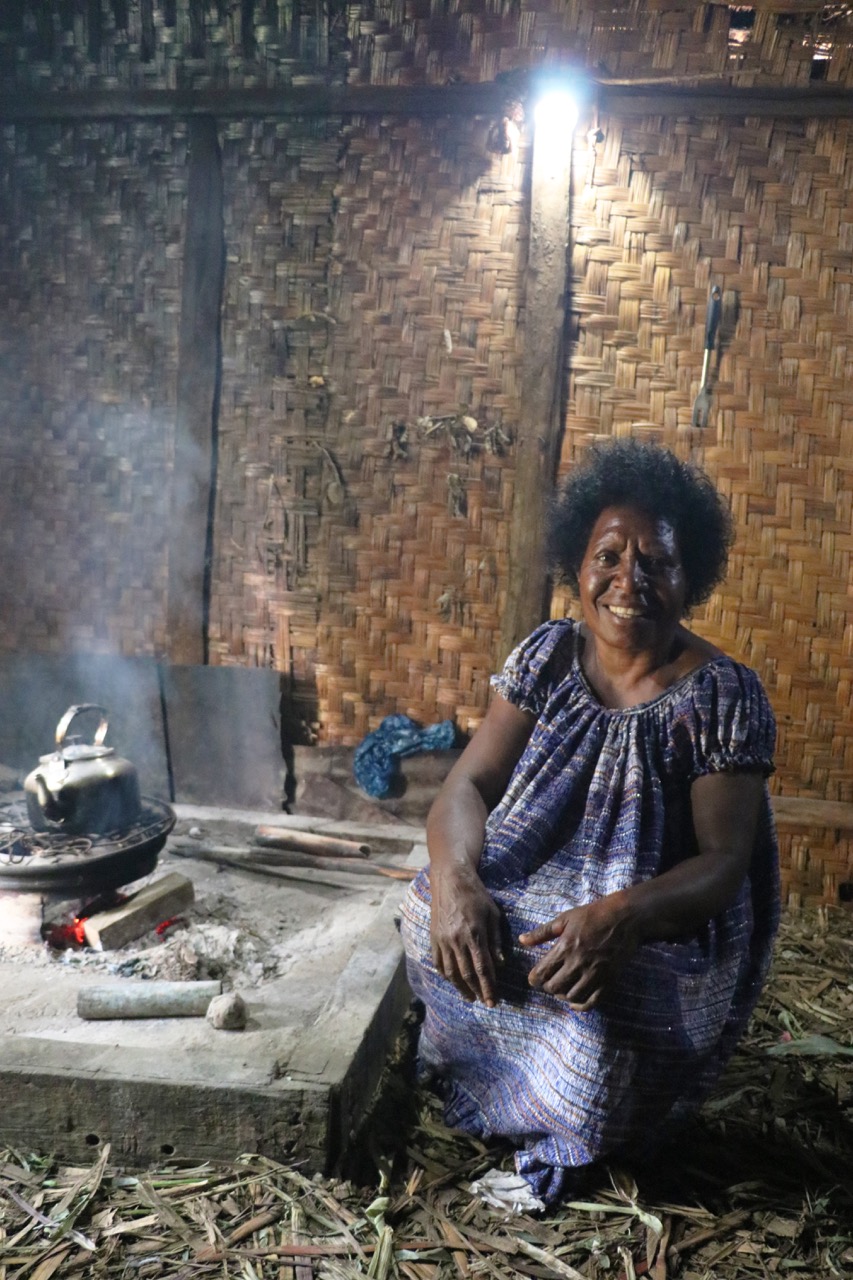
The project will provide pay-as-you-go solar home systems to approximately 8,000 households across at least 20 communities in Oro Province. Community-scale systems will also power 27 schools, 12 aid posts, 50 community areas and 25 small businesses, bringing reliable electricity to the places where people learn, seek healthcare, gather and trade.
Sola PayGo’s pay-as-you-go model makes home solar affordable for families on low incomes, with payments managed through MiBank’s low-barrier financial services. Alongside the technology, communities will receive training in technical, financial and digital literacy, with a particular focus on women, people with disabilities and teachers. Solar-powered offline digital libraries will give schools and communities access to educational, health and agriculture content, creating new learning opportunities for an estimated 10,000 users. Most families in the area currently rely on kerosene, disposable batteries, cheap lanterns or home-made solar setups. These cost more over time, wear out quickly and provide only limited light and power. Durable, quality-certified solar systems will lower those costs and give households reliable power into the evening for study, work and staying connected. The project also aims to show that affordable solar, combined with financial services and local training, can work as a long-term model for rural electrification in Papua New Guinea.
Context
Access to reliable and affordable electricity remains a significant challenge across rural Papua New Guinea, particularly in remote communities where distance, limited infrastructure and low household incomes restrict access to essential services.
Oro Province reflects many of these challenges. Communities are dispersed across a remote inland corridor between Popondetta and the Kokoda Track, where geographic isolation, poor road access and high transport costs make it difficult to access goods, services and economic opportunities. Most households depend on small-scale agriculture for food and income, leaving limited resources available for investments in energy solutions. As a result, many families, schools and health facilities go without reliable power for even basic needs such as lighting, communications and evening study.
Community consultations and site assessments undertaken by Sola PayGo identified strong demand for safe, reliable energy solutions across the target area. The assessments confirmed widespread reliance on short-term energy alternatives, clear community support for renewable energy and a willingness to adopt affordable pay-as-you-go models tailored to local needs.
The project builds on a pilot Off-Grid Renewable Energy Partnership, funded through AIFFP in 2024, which delivered reliable lighting, phone charging and quality-certified solar products to more than 7,100 households across remote and rural Papua New Guinea communities.
Energy access is transformational. When a household in the remote and regional areas of PNG receives reliable solar power, children can study after dark, families stop spending scarce income on batteries and kerosene, and small businesses can stay open longer. Our pilot demonstrated that remote communities want energy they can afford, trust and control. This project delivers that at scale and pairs it with the financial and digital literacy skills that enable community members to thrive.
– Jen Ramamurthy
Sola PayGo