

Bringing solar-powered sustainable growth and resilience to Kiribati’s Arorae Island
Funding round: Quickstart
Country: Kiribati
Sector: Community development
More than 1,000 people living on Arorae Island, Kiribati’s southernmost outer island, will soon have access to clean, reliable electricity through a new solar mini-grid and battery storage system.
The project will connect public facilities, including schools, clinics and community halls, as well as up to 100 households, helping to improve essential services, unlock economic opportunities and enhance climate resilience.
Led by local NGO EcoCare Group, in partnership with CBS Power Solutions and the Arorae Island Council, the project is a community-driven initiative tailored to meet local needs. By replacing expensive, diesel-powered generators with modern, renewable infrastructure, the project supports Kiribati to achieve its national renewable energy goals. It also helps address the island’s development challenges by laying the foundation for improved health, education, and livelihoods in one of the country’s most remote communities.
$3,163,148
$3,163,148
DFAT contribution
$1,575,101
$1,575,101
Partner contribution
$4,738,249
$4,738,249
Total funding
Partner

EcoCare Group is a non-governmental organisation based in Tarawa, Kiribati that delivers community-based development projects.
The Arorae Island Council is the local government body for Arorae atoll in the Gilbert Islands, Kiribati.

CBS Power Solutions is a renewable energy services provider and Engineering, Procurement and Construction (EPC) contractor
About this project
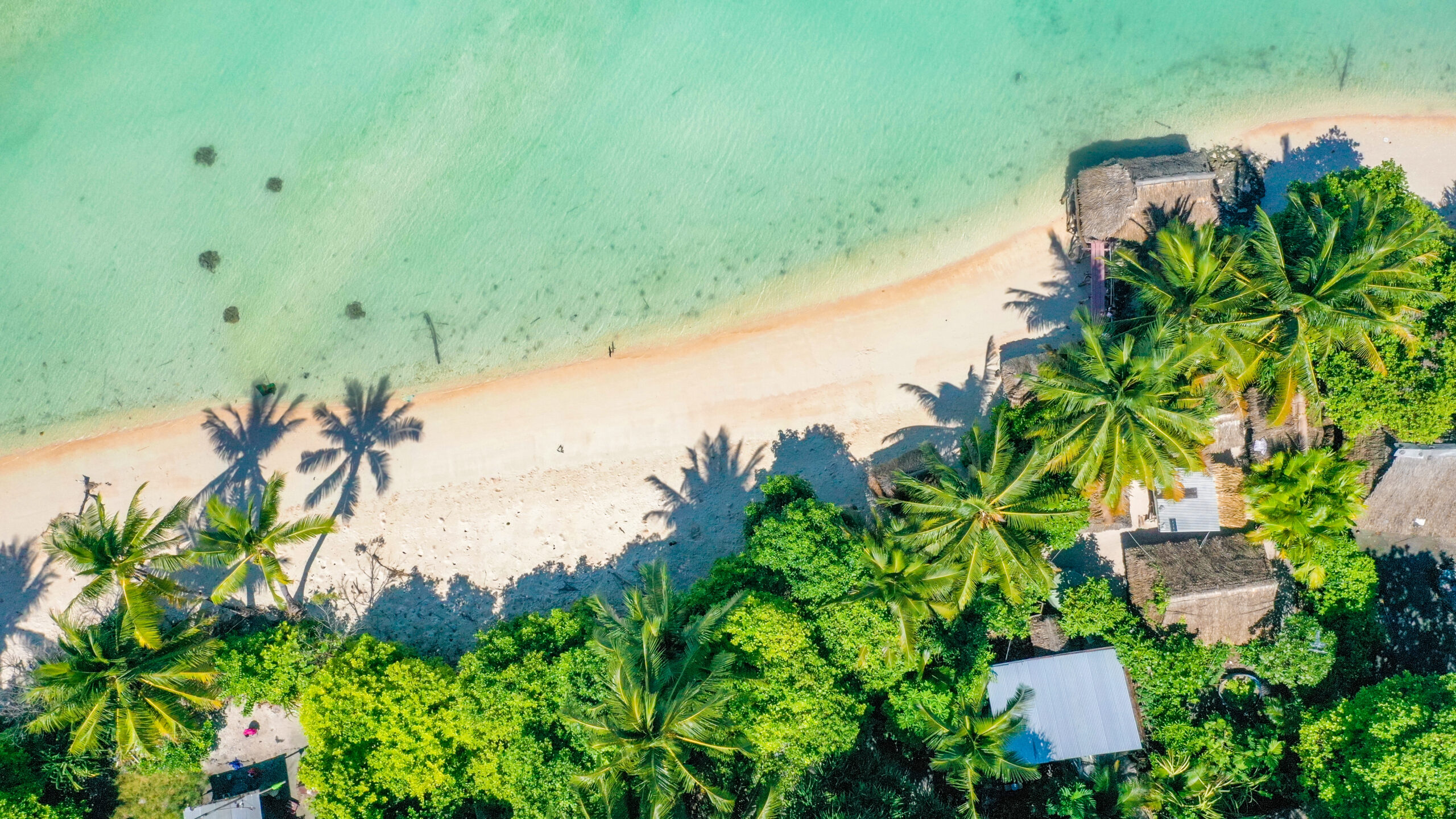
REnew Pacific’s first project in Kiribati will adopt a whole-of-island approach to energy access. It will deliver a 72.2 kW solar photovoltaic (PV) system with 350 kWh of battery energy storage and more than five kilometres of underground cabling. This mini-grid will power all priority public and community infrastructure and progressively connect up to 100 households, including starlink connections and e-learning technologies for the primary and secondary schools on Arorae island.
The design is modular, allowing future expansion as household demand and affordability increase. It replaces the island’s current small, diesel generators and individual solar kits with a centralised, efficient energy system that supports 24/7 power for essential services and productive use.
Context
Arorae Island is one of the most geographically isolated islands in Kiribati, located 600 kilometres south of the capital, South Tarawa. With no connection to the national grid, the island has long relied on limited diesel generation and small solar home kits for basic energy needs. This lack of reliable electricity has restricted access to quality health care, education and communication services, which has hindered the island’s development.
The island’s economy is also constrained by energy limitations. Fishing and coconut trading, the main sources of income, are hampered by a lack of cold storage, processing equipment and digital connectivity. As a result, many residents have migrated to the capital in search of better opportunities, leaving the island with reduced economic activity and heightened vulnerability to climate impacts.
This project offers a sustainable solution to these challenges. By delivering a dependable and expandable source of clean energy, it will enable improved services, support economic resilience, and help the island adapt to a changing climate. It also provides a replicable model for powering other remote communities across Kiribati’s outer islands.
The mini-grid will provide 24/7 electricity, meaning children can study at night, health clinics can refrigerate vaccines, and families can power small businesses. This project is about empowering the community and bringing solar-powered sustainable growth and resilience to the island.
– Komeri Onorio
Managing Director, EcoCare Group