

Renewable power and clean water for schools and communities on Vanuatu’s Tanna Island
Funding round: Round one
Country: Vanuatu
Sector: Community development | Water
This project will bring renewable electricity and reliable water to around 2,300 people on Tanna Island in Vanuatu’s southern Tafea province.
Two community micro-hydro systems and three solar and battery systems will power five schools, a local government office and two small tourism businesses. The micro-hydro systems will also pipe water to two schools, two villages and a new health centre. By replacing costly generator fuel and trucked-in water, the project will cut around 85 tonnes of CO2 emissions each year. The project is led by the University of New South Wales (UNSW) through its UNSWERV program with long-standing local partner Vanuatu Community Aid and builds on 18 years of community-led renewable energy work on Tanna.
$1,325,058
$1,325,058
DFAT contribution
$2,066,663
$2,066,663
Partner contribution
$3,391,721
$3,391,721
Total funding
Partner

University of New South Wales (UNSW) is a leading public research university based in Sydney, New South Wales, Australia.
The Vanuatu Department of Energy is responsible for the development of energy policies, legislations and regulations to guide the development of energy services in Vanuatu and improve service delivery.

Vanuatu Institute of Technology is the centre of excellence for public technical, vocational, business, hospitality, and continuing education in Vanuatu.

Pacific Carbon Association (PCA) are a mission-driven regional platform committed to supporting the implementation of high-integrity climate cooperation under the Paris Agreement.

EcoInnovation
Vanuatu Community Aid
About this project
UNSW is working with the Vanuatu Department of Energy, Vanuatu Community Aid, the Vanuatu Institute of Technology, EcoInnovation, the Pacific Carbon Association and the Australian Government to deliver five renewable energy projects across Tanna Island. Two micro-hydro systems will generate power day and night, one serving Kwataparen and the other serving Iquaramanu. They will also supply gravity-fed water to communities that currently carry water or pay for it to be trucked in. Solar and battery systems at Entan Vui, Itaku and Kwansiwi schools will light classrooms, run fans and power computers, printers and internet.
Each system will be owned by the school or community it serves. Each site will have locally elected technicians, half of them women, who will be trained to do routine checks and maintenance. Vanuatu Institute of Technology students will work alongside UNSW engineers during installation, building the local, in-country skills needed to keep the systems running for the long term.
Context
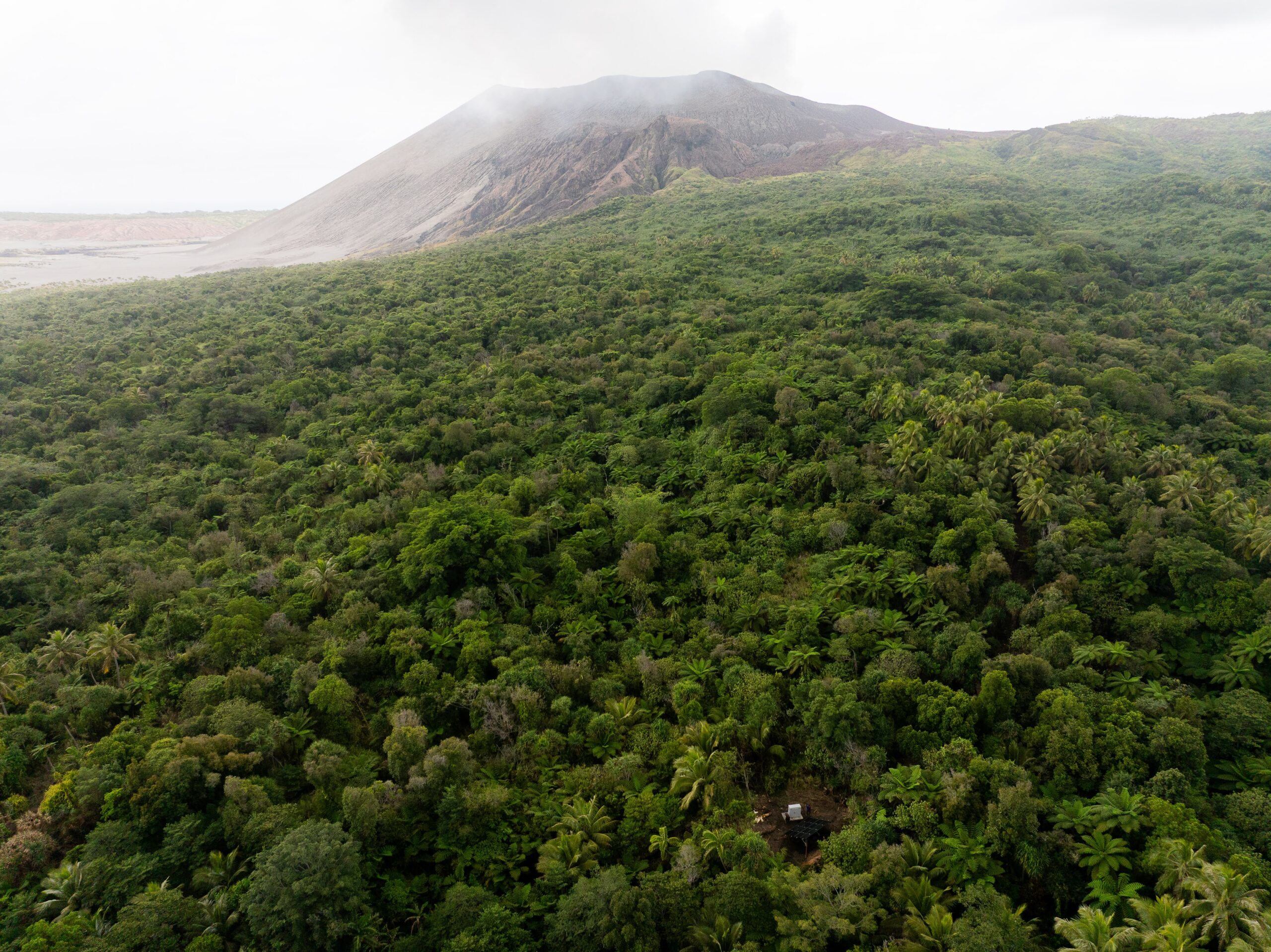
Tanna is the largest and most populated island in Vanuatu’s Tafea province. A small diesel grid serves the main town and west coast but most villages are remote and cut off by mountainous terrain so they have no electricity at all. Where generators exist, fuel is expensive and used sparingly. As a result many classrooms are dark and hot and students cannot study after sunset.
Clean water is just as scarce. Emissions from the Mount Yasur volcano make rainwater unsafe in some areas so families walk long distances to springs and creeks or pay to have water trucked in and the work of carrying water falls mostly on women and girls. Tanna’s steep forested hills and year-round streams make micro-hydro well suited to delivering both power and water, while solar is a strong fit for schools with open sunny sites. This project draws on these natural strengths to bring clean power and water to some of Tanna’s most remote schools and communities.
For many families on Tanna, the day starts with walking to fetch water and ends in darkness. REnew Pacific is helping change that, bringing water into villages and light, fans and computers into classrooms. Just as important, these systems belong to the communities, and their own technicians, half of them women, will keep them running long after the project ends.
– Jackson Iakapas
Vanuatu Community Aid