

Restoring and expanding solar-powered water access in northeast Malekula, Vanuatu
Funding round: Round one
Country: Vanuatu
Sector: Community development | Water
This project will strengthen water security for more than 500 people in two communities in northeast Malekula.
In the Omale community, it will upgrade a pumping system and restore a solar water pumping system that was damaged by an earthquake in December 2024. In nearby Lavalsal, it will install a new solar-powered water pump system with public taps. Together these works will give households, the Tungvat Health Centre and Atchin Market reliable access to safe water. In Lavalsal, the time spent collecting water will drop from up to half an hour to less than five minutes. Delivered by the Global Green Growth Institute (GGGI) with the Department of Water Resources (DoWR), the Department of Energy (DoE), National Green Energy Fund (NGEF) and funded by the Australian Government, the project extends REnew Pacific’s existing work in rural Vanuatu.
$343,739
$343,739
DFAT contribution
$82,364
$82,364
Partner contribution
$426,103
$426,103
Total funding
Partner

The Global Green Growth Institute Pacific team works in Fiji, Kiribati, Vanuatu, Tonga and Papua New Guinea to create a climate-resilient world through green sustainable growth.
The National Green Energy Fund is a financial vehicle designed to assist the Vanuatu Government to achieve its National Energy Roadmap targets through both public and private investment in technology and infrastructure across Vanuatu. It aims to boost households and public institutions’ energy access, while also providing a pathway for local businesses and industries to invest in clean, climate-resilient energy that meets their economic needs, creating transformative opportunities for rural communities.
The Vanuatu Department of Energy is responsible for the development of energy policies, legislations and regulations to guide the development of energy services in Vanuatu and improve service delivery.
The Department of Water Resources (DoWR) operates in conjunction with the Ministry of Lands and Natural Resources to coordinate and manage strategic development activities.
About this project
The Global Green Growth Institute (GGGI), in partnership with the Department of Water Resources (DoWR), the Department of Energy (DoE), the National Green Energy Fund (NGEF) and the Australian Government, is extending its REnew Pacific project in Vanuatu to improve water services in two neighbouring communities on Malekula Island.
In Omale, the project will upgrade the pumping system and replace the damaged pump electronics, install a new 10,000 litre storage tank and improve pipework. This will restore storage capacity and make the community’s water supply more reliable. In Lavalsal, the project plans to install a new solar water pumping system. Subject to a technical assessment, this is expected to include two 10,000 litre storage tanks, about 800 metres of pipeline and 14 public taps, giving each person access to 50 litres of drinking water a day.
For both sites, a beneficiary assessment will be conducted, including household registration, technical surveys and community consultation before construction. Lavalsal will also have a Drinking Water Safety and Security Plan. Community members will be trained to run and look after the systems. Each system will be managed by a local water committee and supported through a National Green Energy Fund concessional loan agreement.
Context
In 2022, GGGI installed a solar water pumping system in Omale that has supplied the community ever since. In December 2024, an earthquake damaged one of its two storage tanks. This cut storage capacity and left the community at greater risk of running short, especially in dry periods.
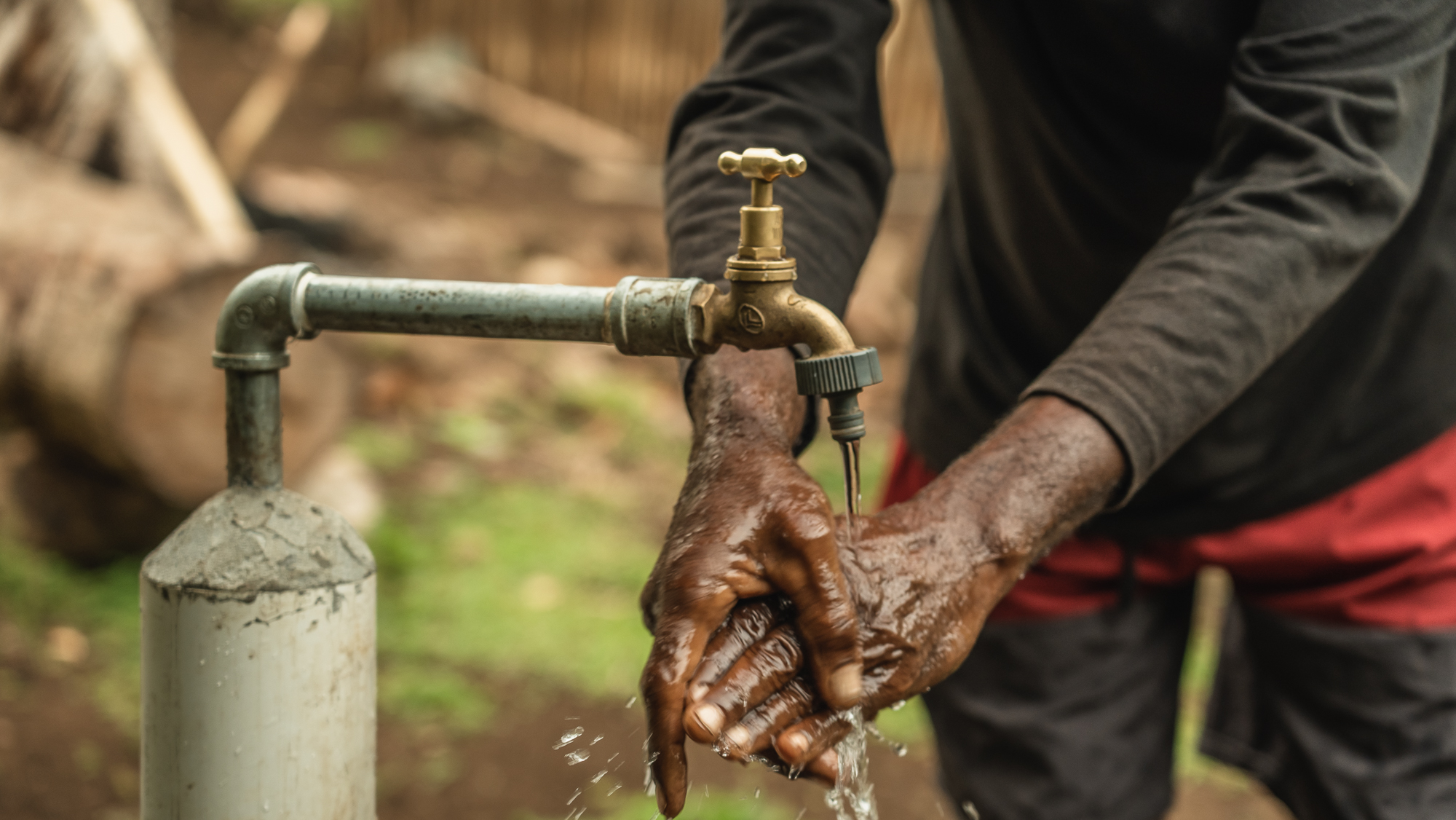
Nearby, the mainland community of Lavalsal has never had a reliable water supply. While neighbouring communities including Petervat and Omale have received upgrades, Lavalsal residents still face limited access to safe water and ongoing shortages in the dry season. Collecting water takes 15 to 30 minutes per trip, time lost from school, work and family life, and poor access affects sanitation and hygiene.
The Department of Water Resources has identified water access for these communities as a priority. The project also complements new stand-alone solar PV systems for three schools on neighbouring Atchin Island under the existing project. Together these investments build water security and climate resilience across northeast Malekula.