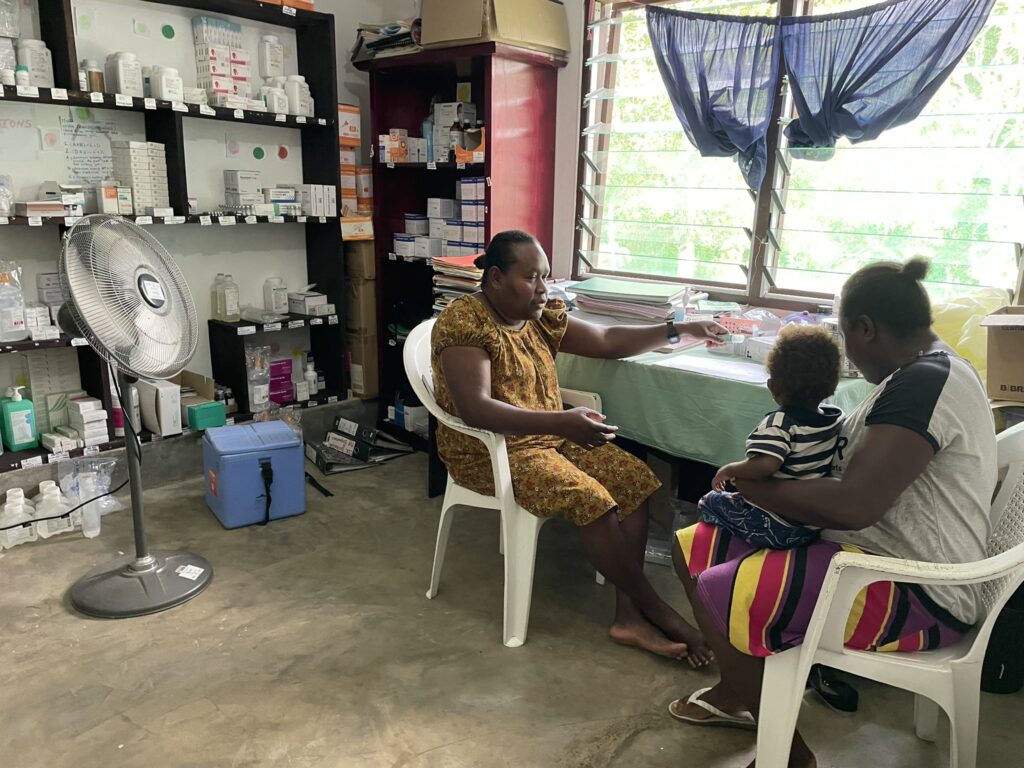
On Vanuatu’s remote Torba islands, the midwife at Quatvaes Provincial Hospital used to deliver babies by the light of a mobile phone. “This is not good,” she said. “In a serious case, we could lose the life of a mother or baby.” The day after she said it, a new solar power system arrived at the hospital from Respond Global’s HELPR-1 vessel. Within weeks, 35 babies had been born there under steady, reliable light.
Across the Pacific, power like this is the difference between a clinic that closes at dusk and one that can save a life at midnight. As we count down to #COP31, we’re sharing how REnew Pacific is powering the health centres and hospitals remote communities depend on so vaccines stay cold, equipment works and no one has to fear the dark to get the care they need.
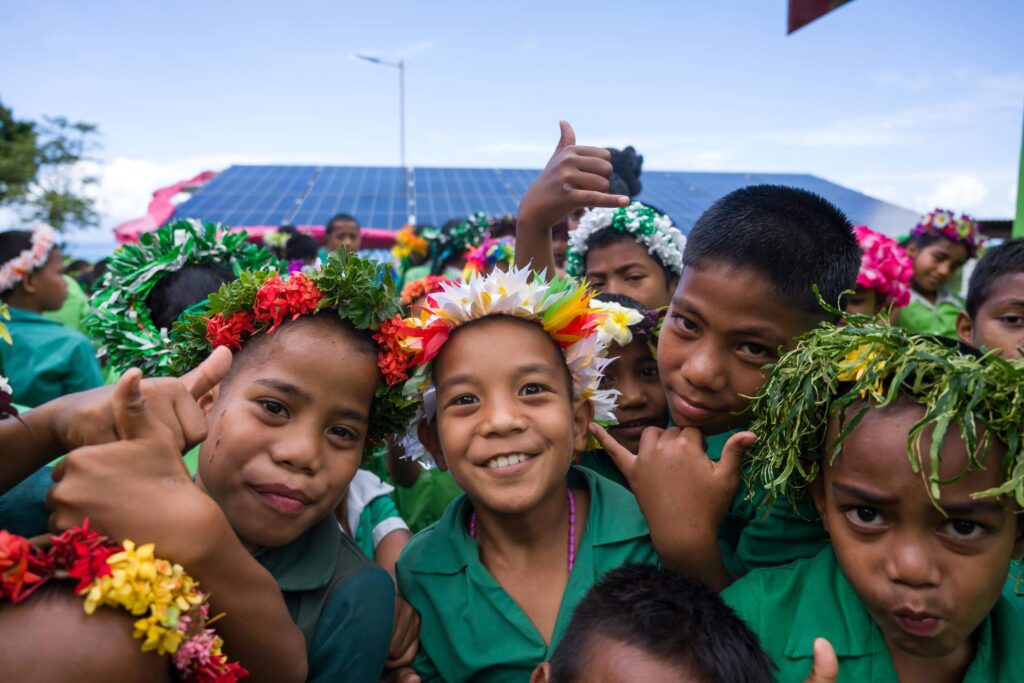
In Vanuatu, Respond Global’s HELPR-1 vessel has become the first REnew Pacific project to reach completion, bringing reliable solar power to 41 health facilities across all its six provinces, from provincial hospitals to outer-island aid posts reachable only by boat. For the people these clinics serve, the change has been immediate. Health workers have delivered more than 270 babies under proper lighting since the systems switched on and clinics can now run equipment that was never available before, like the oxygen concentrator on Aneityum that treats asthmatic patients who were once sent away. Solar streetlighting has made it safer for women to attend at night and to run evening markets while local technicians have been trained to keep every system running. As one head nurse put it, “mothers can deliver safely, children with asthma can be treated and vaccines can be kept cold. Light and power make the clinic feel like a real health facility.” Find out more here.
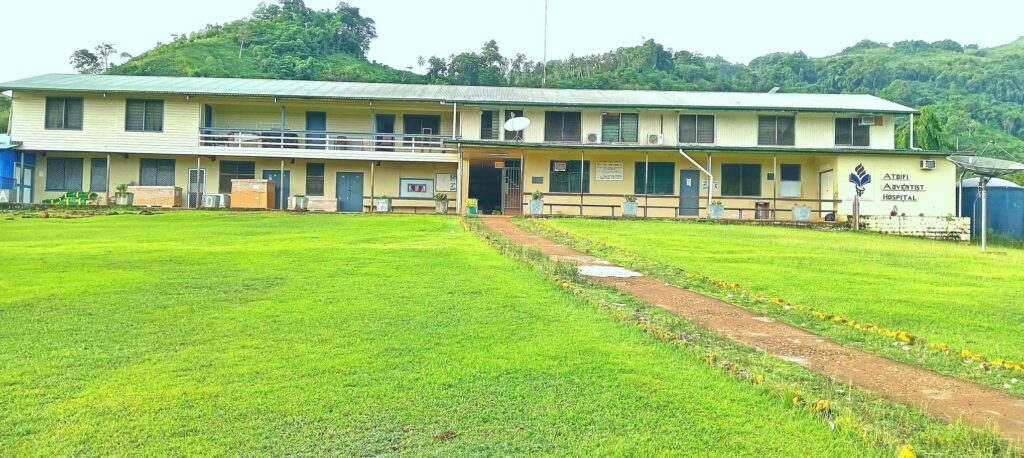
In Solomon Islands, Superfly is installing a solar hybrid system at Atoifi Adventist Hospital in remote Eastern Malaita, a facility that serves tens of thousands of people and trains more than half the country’s nurses yet has long been held back by blackouts that interrupt emergency care, maternity services and more. Reliable 24/7 power will soon change that. Superfly has also helped the Good Samaritan Hospital in Guadalcanal meet more than 97% of its energy needs with solar through one of our earlier pilots. Find out more here.
In Papua New Guinea, the Kokoda Track Foundation (KTF) is bringing a solar mini-grid to the Sanananda aid post, a busy coastal facility serving a catchment of 14,000 people. Reliable power will support safe deliveries, vaccine storage and clean water, where health workers have until now managed with just a handful of solar-charged lights. This week’s countdown film comes from Sanananda itself, with our REnew Pacific team and KTF counting down to COP31 from the community they’re working to power with clean energy. Find out more here.
From Vanuatu to Solomon Islands and Papua New Guinea, clean, reliable energy is becoming the foundation that remote healthcare is built on and we’re very proud to be supporting it. All are part of the Pacific Climate Infrastructure Financing Partnership (PCIFP), a $350 million initiative for climate infrastructure in the region, delivered by the Australian Government’s Australian Infrastructure Financing Facility for the Pacific (AIFFP) and implemented by Palladium.
Join us each week as we share a new story to count down to COP31. Thanks to KTF for counting us down this week!