In the Pacific, climate change is not a distant threat. It arrives as cyclones, floods and rising seas and it tests everything along their path. For clean energy, the real test comes when the weather turns. As we count down to #COP31 – now just two weeks away! – we’re looking at energy infrastructure built to withstand the worst.
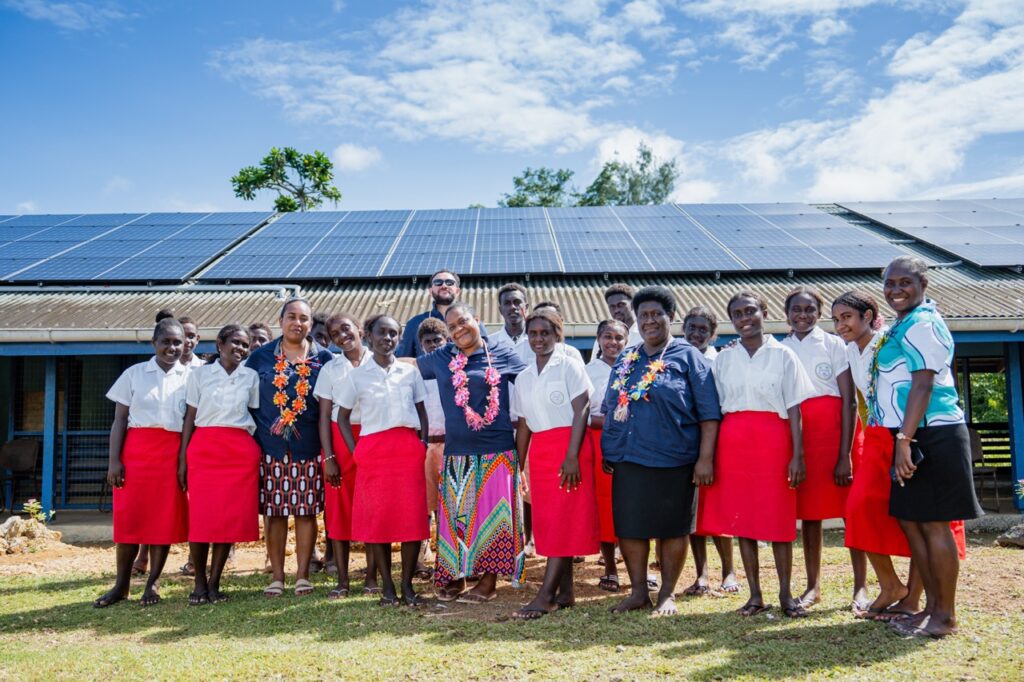
In April, Severe Tropical Cyclone Maila, a Category 5 storm, swept through Solomon Islands’ Western and Choiseul Provinces, affecting around 150,000 people. On Vangunu Island in Marovo Lagoon, Goldie College lay directly in its path. Its solar hybrid system, installed by locally owned company Superfly through REnew Pacific, had been built for exactly this, engineered to withstand sea swell and high winds. Through the storm it stayed on, keeping power running when the community needed it most. Find out more.
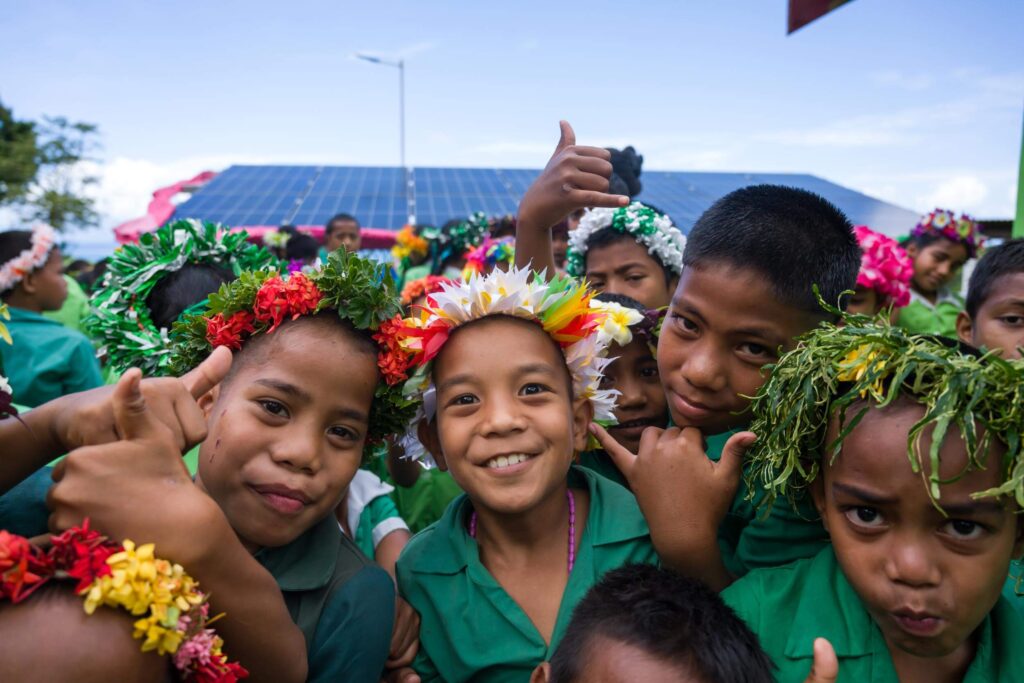
In the Marshall Islands, climate resilience is being built in from the start. On atolls barely two metres above the sea, UNICEF is equipping remote schools with cyclone-resilient solar and battery systems, elevated and enclosed against saltwater, heat and storms and designed so the schools can double as safe shelters when extreme weather strikes. Find out more.
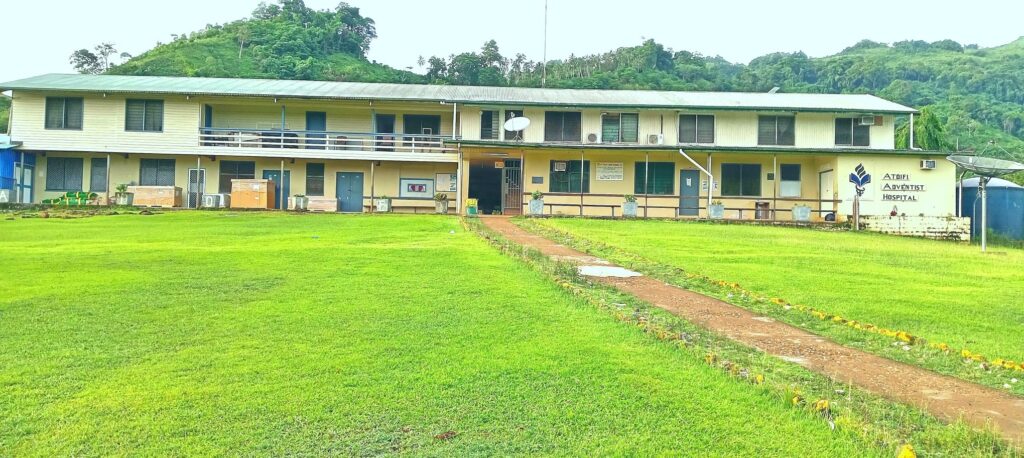
In Papua New Guinea, resilience looks like keeping going in places the weather constantly threatens. In Oro and Central Provinces, where fewer than one in six people have electricity, the Kokoda Track Foundation is powering the Sanananda aid post and the Mt Koiari FODE Centre with solar mini-grids so a remote clinic and a mountain school can keep delivering care and learning through the heavy rains, flooding and isolation these communities so often face. Find out more.
And across Fiji and Vanuatu, the same thinking keeps water and power running when fuel supplies break down. GGGI’s solar-hybrid systems on Fiji’s maritime islands and in remote Vanuatu are designed to keep essential services going through the cyclones and shortages that so often cut remote communities off. Find out more about GGGI’s Fiji project here – and Vanuatu project here.
In a region on the very frontline of climate change, energy that survives the storm is a lifeline, keeping power flowing, water running and communities connected when it matters most. These REnew Pacific projects are delivered by the Australian Government’s Australian Infrastructure Financing Facility for the Pacific (AIFFP) and implemented by Palladium.
Join us each week for a new story as we count down to COP31.
This week’s film comes from the Australian High Commission team in Papua New Guinea, with only two weeks to go!